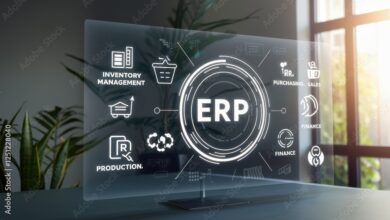
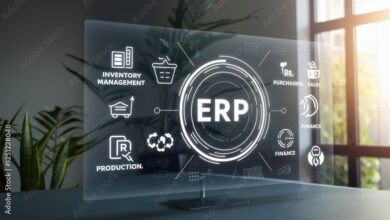
ERP solutions are pivotal in optimizing business processes and enhancing productivity across various industries. From defining their purpose to exploring key features, this comprehensive guide delves deep into the world of ERP solutions.
Introduction to ERP Solutions
ERP solutions, or Enterprise Resource Planning solutions, are integrated software systems that organizations use to manage and streamline their business processes. The primary purpose of ERP solutions is to centralize data and automate workflows across various departments, such as finance, human resources, supply chain, and more.




Implementing ERP solutions offers several benefits for organizations, including improved efficiency, enhanced productivity, better decision-making through real-time data access, cost savings from streamlined processes, and increased collaboration among teams. These solutions also provide a unified view of the organization’s operations, leading to better strategic planning and forecasting.
Examples of Industries Using ERP Solutions
- Manufacturing: ERP solutions help manage production schedules, inventory levels, and supply chain logistics efficiently.
- Retail: Retailers use ERP systems to track sales, manage inventory, and analyze customer data for targeted marketing strategies.
- Finance: Financial institutions rely on ERP solutions for accounting, budgeting, and regulatory compliance.
- Healthcare: Hospitals and healthcare facilities use ERP systems to streamline patient records, billing, and inventory management.
Key Features of ERP Solutions
ERP solutions offer a wide range of features designed to streamline business processes, improve efficiency, and enhance decision-making capabilities. Let’s take a closer look at some of the key features commonly found in ERP systems:
Integration of Business Functions
ERP solutions integrate various business functions such as finance, human resources, supply chain management, and customer relationship management into a single platform. This integration enables seamless communication and data sharing across different departments, leading to improved collaboration and productivity.
Real-Time Data Access
One of the essential features of ERP solutions is the ability to provide real-time access to accurate and up-to-date information. This allows users to make informed decisions quickly, based on the most current data available, leading to better outcomes and improved business performance.
Automated Processes
ERP systems automate repetitive tasks and processes, reducing the need for manual intervention and minimizing errors. By automating routine activities, organizations can save time and resources, while also improving accuracy and consistency in their operations.
Reporting and Analytics
ERP solutions offer robust reporting and analytics capabilities, allowing users to generate customized reports, dashboards, and visualizations to gain insights into key performance indicators and trends. This helps organizations identify areas for improvement and make data-driven decisions to drive business growth.
Scalability and Flexibility
ERP systems are designed to be scalable and flexible, allowing organizations to adapt to changing business requirements and scale their operations as needed. Whether expanding into new markets or adding new functionalities, ERP solutions can grow with the business and support its evolving needs.
Comparison: On-Premise vs. Cloud-Based ERP Solutions
On-premise ERP solutions require organizations to purchase and maintain the software on their own servers, while cloud-based ERP solutions are hosted and managed by a third-party provider. The choice between the two depends on factors such as upfront costs, maintenance requirements, security considerations, and scalability needs.
Role of Customization in ERP Solutions
Customization plays a crucial role in ERP solutions as it allows organizations to tailor the system to their specific needs and requirements. While customization can enhance functionality and improve user experience, it also comes with challenges such as increased costs, longer implementation times, and potential compatibility issues. Organizations must carefully weigh the benefits and drawbacks of customization to determine the best approach for their business.
Implementation of ERP Solutions
Implementing ERP solutions within an organization is a complex process that requires careful planning and execution. Below are the key steps involved in successfully implementing ERP solutions:
Key Steps in ERP Implementation
- Planning: Define objectives, create a project team, and establish a budget.
- Vendor Selection: Research and choose a reliable ERP vendor that meets the organization’s requirements.
- Data Migration: Transfer existing data to the new ERP system while ensuring accuracy and integrity.
- Customization: Configure the ERP system to align with the organization’s processes and workflows.
- Training: Provide comprehensive training to employees to ensure they can effectively use the new ERP system.
- Testing: Conduct thorough testing to identify and resolve any issues before full deployment.
- Go-Live: Gradually transition to the new ERP system and monitor its performance post-implementation.
Best Practices for Successful ERP Implementation
- Strong Leadership: Ensure top management support and involvement throughout the implementation process.
- Clear Communication: Maintain open communication with all stakeholders to manage expectations and address concerns.
- Change Management: Implement strategies to help employees adapt to the new system and processes effectively.
- Regular Monitoring: Continuously monitor the ERP system’s performance and address any issues promptly.
- User Feedback: Gather feedback from users to make necessary improvements and enhancements to the ERP system.
Common Challenges in ERP Implementation and Solutions
- Resistance to Change: Overcome resistance by involving employees in the process, providing training, and highlighting the benefits of the new system.
- Data Migration Issues: Ensure data accuracy through proper validation and testing before migration.
- Integration Problems: Address integration challenges by working closely with the ERP vendor and IT team to resolve any issues.
- Scope Creep: Manage scope creep by defining clear project objectives and scope from the beginning and sticking to the plan.
Integration with Other Systems
Integrating ERP solutions with other business systems is crucial for ensuring seamless operations and maximizing efficiency. By connecting ERP systems with other software applications, organizations can streamline processes, improve data accuracy, and enhance overall productivity.
Key Considerations for Integration
When integrating ERP solutions with existing software, there are several key considerations to keep in mind. It is essential to assess the compatibility of the systems, ensure data synchronization, establish clear communication channels between systems, and prioritize security measures to protect sensitive information. Additionally, organizations should define their integration goals, allocate resources effectively, and conduct thorough testing to identify and resolve any potential issues.
Examples of Popular Software Integration
ERP solutions often integrate with a variety of software applications to enhance functionality and optimize business processes. Some popular software that ERP systems frequently integrate with include:
- Customer Relationship Management (CRM) software such as Salesforce or HubSpot
- Supply Chain Management (SCM) software like SAP Ariba or Oracle SCM Cloud
- Human Resource Management (HRM) software such as Workday or ADP
- Business Intelligence (BI) tools like Tableau or Power BI
- E-commerce platforms such as Shopify or Magento
ERP Solutions for Different Business Sizes
ERP solutions are designed to cater to the unique needs of businesses of varying sizes, including small, medium, and large enterprises. These systems offer scalability and adaptability to changing business requirements, making them suitable for companies at different stages of growth and development.
Small Enterprises
Small businesses can benefit from ERP solutions by streamlining their operations, improving efficiency, and gaining better visibility into their processes. These systems help small enterprises automate repetitive tasks, manage inventory effectively, and make data-driven decisions. Despite the initial cost implications, the long-term benefits of implementing an ERP solution can outweigh the expenses for small businesses.
Medium Enterprises
Medium-sized businesses often face challenges related to managing growth, maintaining consistency, and optimizing processes. ERP solutions for medium enterprises offer modules that can be customized to meet specific needs, integrate with existing systems, and enable better collaboration among departments. The scalability of these systems allows medium enterprises to expand their operations without worrying about outgrowing their ERP solution.
Large Enterprises
Large enterprises require robust ERP solutions that can handle complex operations, large volumes of data, and multiple locations. These systems offer advanced features such as advanced analytics, real-time reporting, and support for global operations. While the implementation costs for ERP solutions in large enterprises can be significant, the return on investment is substantial due to increased efficiency, reduced operational costs, and improved decision-making capabilities.
Mobile ERP Solutions
Mobile ERP solutions refer to Enterprise Resource Planning systems that are accessible and functional on mobile devices, allowing users to manage business operations and data remotely. These solutions offer the advantage of flexibility and convenience for employees who need to work outside the office environment.
Advantages of Mobile ERP Solutions
- Access to real-time data: Mobile ERP solutions enable users to access up-to-date information on the go, resulting in faster decision-making and improved efficiency.
- Increased productivity: With the ability to complete tasks and respond to business needs from anywhere, employees can be more productive and responsive.
- Cost-effectiveness: Mobile ERP solutions reduce the need for physical infrastructure and allow for remote work, leading to cost savings for businesses.
Key Features of Effective Mobile ERP Solutions
- Responsive design: Mobile ERP solutions should have a responsive design that adapts to different screen sizes and devices for seamless user experience.
- Offline access: The ability to work offline and sync data when connected to the internet is crucial for uninterrupted productivity.
- Security measures: Mobile ERP solutions must have robust security features to protect sensitive business data from unauthorized access.
Industries Benefiting from Mobile ERP Solutions
- Field Service Management: Industries such as construction, utilities, and telecommunications benefit greatly from mobile ERP solutions to manage field operations effectively.
- Retail: Mobile ERP solutions help retailers streamline inventory management, sales, and customer interactions, leading to improved customer satisfaction.
- Healthcare: Healthcare organizations use mobile ERP solutions to enhance patient care, optimize resource allocation, and improve operational efficiency.
Data Security in ERP Solutions
Data security is a critical aspect of ERP solutions as they contain sensitive business information that must be protected from unauthorized access or breaches. Ensuring data security within an ERP system is essential to maintain the confidentiality, integrity, and availability of the data.
Importance of Data Security in ERP Solutions
Ensuring data security in ERP solutions is crucial to protect sensitive information such as financial data, customer details, and proprietary business processes. A breach in data security can lead to financial losses, damage to reputation, and legal consequences for organizations.
- Implementing strong access controls and user authentication mechanisms to prevent unauthorized access to sensitive data.
- Encrypting data both at rest and in transit to safeguard it from being intercepted or accessed by unauthorized parties.
- Regularly updating and patching the ERP system to address security vulnerabilities and protect against cyber threats.
- Conducting regular security audits and assessments to identify and address any potential security gaps in the ERP system.
- Training employees on data security best practices and protocols to prevent insider threats and human errors that could compromise data security.
Compliance Requirements Related to Data Security in ERP Solutions
Organizations using ERP solutions must comply with data security regulations such as GDPR, HIPAA, or PCI DSS, depending on the industry and geographic location. Failure to comply with these regulations can result in hefty fines, legal penalties, and reputational damage.
It is essential for organizations to stay informed about the latest data security regulations and ensure that their ERP system is compliant to avoid potential legal and financial consequences.
ERP Solutions for Specific Industries
ERP solutions play a crucial role in meeting the unique needs of various industries such as manufacturing, healthcare, finance, and more. Tailoring ERP systems to specific industry requirements can lead to increased efficiency, productivity, and overall success. Let’s explore how ERP solutions are customized for different sectors and the challenges and opportunities they present.
Manufacturing Industry
ERP solutions in the manufacturing industry focus on streamlining production processes, managing inventory, and optimizing supply chain operations. By integrating modules for production planning, scheduling, and quality control, manufacturers can achieve better resource utilization and cost savings. A successful example of ERP implementation in manufacturing is Toyota, which improved its production efficiency and reduced waste through ERP integration.
Healthcare Industry
In the healthcare sector, ERP solutions are crucial for managing patient records, scheduling appointments, and billing processes. By centralizing data and automating administrative tasks, healthcare providers can enhance patient care and operational efficiency. A notable case study is Mayo Clinic, which implemented ERP systems to improve patient outcomes and optimize resource allocation.
Finance Industry
ERP solutions in the finance industry focus on compliance, risk management, and financial reporting. By integrating modules for accounting, budgeting, and analytics, financial institutions can ensure regulatory compliance and make informed business decisions. An example of successful ERP implementation in finance is Barclays, which streamlined its financial processes and enhanced decision-making capabilities through ERP integration.
Challenges and Opportunities
While ERP solutions offer numerous benefits to specific industries, they also present challenges such as high implementation costs, data migration complexities, and resistance to change. However, overcoming these challenges can lead to increased operational efficiency, improved decision-making, and competitive advantage in niche sectors. By leveraging industry-specific ERP solutions, organizations can drive innovation, enhance customer satisfaction, and achieve sustainable growth.
Emerging Trends in ERP Solutions
In today’s fast-paced business environment, ERP solutions are constantly evolving to meet the changing needs of organizations. Emerging technologies such as AI, machine learning, IoT integration, and more are playing a significant role in shaping the future of ERP solutions.
AI Integration in ERP Solutions
AI integration is revolutionizing ERP systems by automating repetitive tasks, improving decision-making processes, and enhancing overall efficiency. AI-driven analytics provide valuable insights for better strategic planning and forecasting.
Machine Learning in ERP Solutions
Machine learning algorithms are being used to analyze large datasets within ERP systems, enabling real-time data processing, predictive analytics, and personalized user experiences. This helps organizations optimize operations and adapt to changing market trends.
IoT Integration in ERP Solutions
The integration of IoT devices with ERP solutions allows for seamless data exchange between machines, sensors, and systems. This connectivity enables real-time monitoring of assets, predictive maintenance, and enhanced supply chain visibility.
Blockchain Technology in ERP Solutions
Blockchain technology is increasingly being integrated into ERP systems to enhance data security, transparency, and traceability. By creating immutable records of transactions, organizations can ensure the integrity of their data and streamline processes.
Cloud-Based ERP Solutions
Cloud-based ERP solutions are gaining popularity due to their scalability, flexibility, and cost-effectiveness. Organizations are shifting towards cloud deployment models to access real-time information, improve collaboration, and adapt to changing business requirements.
Augmented Reality in ERP Solutions
Augmented reality is being leveraged in ERP solutions to enhance training, maintenance, and remote assistance processes. By overlaying digital information onto physical environments, organizations can streamline operations and improve productivity.
Last Recap
As we conclude our exploration of ERP solutions, it becomes evident that embracing these systems can revolutionize how businesses operate, paving the way for greater efficiency and growth.

Contributing author focused on delivering fresh perspectives and timely information.