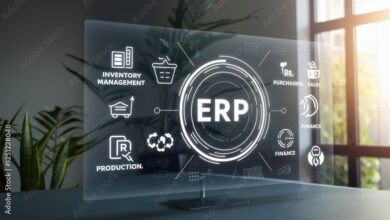
Starting with ERP for small business, this technology offers a comprehensive solution to enhance efficiency and drive success. Small businesses can leverage ERP systems to streamline operations, improve decision-making processes, and achieve sustainable growth.
Exploring the key features, implementation strategies, cost considerations, data security measures, scalability options, training support, successful case studies, and future trends in ERP for small businesses can provide valuable insights for entrepreneurs looking to optimize their business processes.




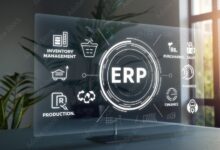
Introduction to ERP for Small Business
Enterprise Resource Planning (ERP) is a software system that integrates various business functions and processes into a single platform, allowing for better visibility, efficiency, and decision-making within an organization. In the context of small businesses, ERP can streamline operations, improve communication, and provide valuable insights to drive growth and success.
Benefits of ERP for Small Businesses
- Improved Efficiency: ERP automates repetitive tasks and eliminates manual data entry, saving time and reducing errors.
- Enhanced Collaboration: By centralizing data and processes, ERP fosters better communication and collaboration among team members.
- Data Accuracy: With real-time data updates and accurate reporting, small businesses can make informed decisions based on reliable information.
- Cost Savings: ERP helps reduce operational costs by optimizing processes, minimizing waste, and identifying areas for improvement.
Importance of Implementing ERP for Small Business Growth
Implementing an ERP system is crucial for small businesses looking to scale and expand their operations. It provides a foundation for growth by streamlining operations, improving productivity, and enabling better decision-making. With ERP, small businesses can adapt to changing market conditions, stay competitive, and drive innovation to achieve long-term success.
Key Features of ERP for Small Business
ERP systems for small businesses should have the following key features to effectively streamline operations and drive growth:
Cloud-based ERP vs On-premise ERP
When considering ERP solutions, small businesses should weigh the pros and cons of cloud-based ERP systems versus on-premise ERP systems.
- Cloud-based ERP:
– Offers scalability and flexibility, allowing businesses to easily adjust resources as needed.
– Requires lower upfront costs and reduces the need for in-house IT infrastructure.
– Provides remote access to data and applications, enabling employees to work from anywhere.
- On-premise ERP:
– Offers greater control and customization options for businesses with specific needs.
– Provides higher data security as data is stored locally within the company’s premises.
– Can be more cost-effective in the long run for businesses with stable operations and predictable growth.
Customization Options
ERP systems tailored for small businesses should offer customization options to meet unique requirements and workflows.
- Customizable Modules:
– Businesses should be able to choose and customize modules based on their specific needs, such as inventory management, accounting, or CRM.
- Configurable Workflows:
– The ability to configure workflows to match existing processes and automate tasks can improve efficiency and accuracy.
- Integration Capabilities:
– Seamless integration with existing software applications and third-party tools is essential for a smooth transition and enhanced productivity.
Implementation of ERP in Small Businesses
Implementing an ERP system in a small business can be a transformative process that streamlines operations and boosts efficiency. However, it requires careful planning and execution to ensure success.
Steps in Implementing an ERP System
- Assessment of Needs: Identify the specific requirements and goals of the business that the ERP system will address.
- Selection of ERP Software: Research and choose an ERP solution that best fits the needs and budget of the small business.
- Planning and Design: Create a detailed implementation plan outlining timelines, responsibilities, and resources needed.
- Data Migration: Transfer existing data to the new ERP system while ensuring accuracy and consistency.
- Training and Testing: Provide comprehensive training to employees on how to use the ERP system effectively and conduct thorough testing to identify and resolve any issues.
- Go-Live and Support: Roll out the ERP system gradually to minimize disruption, and provide ongoing support to address any issues that may arise.
Best Practices for Successful ERP Implementation
- Executive Sponsorship: Secure support from top management to drive the implementation process and ensure resources are allocated appropriately.
- Cross-Functional Team: Involve employees from different departments to provide diverse perspectives and ensure the ERP system meets the needs of the entire organization.
- Change Management: Prepare employees for changes brought about by the ERP system and communicate effectively to mitigate resistance.
- Regular Evaluation: Monitor the performance of the ERP system regularly and make adjustments as needed to optimize its effectiveness.
- Continuous Training: Provide ongoing training to employees to enhance their skills and knowledge of the ERP system for maximum efficiency.
Common Challenges and How to Overcome Them
- Resistance to Change: Address resistance through clear communication, training, and involving employees in the implementation process.
- Data Migration Issues: Ensure thorough testing and validation of data during migration to prevent errors and ensure data integrity.
- Lack of User Adoption: Provide adequate training and support to encourage employees to embrace the new ERP system and understand its benefits.
- Scope Creep: Define clear objectives and scope for the ERP implementation project to prevent unnecessary additions that can delay the process.
Cost Considerations for Small Business ERP
Implementing an ERP system in a small business can have significant cost implications. It is essential for small business owners to carefully consider various factors to ensure a successful and cost-effective implementation.
Cost Factors Associated with ERP Implementation
- Software Costs: The initial cost of purchasing ERP software can vary depending on the vendor, features, and scalability required by the business.
- Implementation Costs: Hiring consultants, training employees, and customizing the ERP system to fit the business needs can add to the overall cost.
- Integration Costs: Integrating the ERP system with existing software and systems within the business can incur additional expenses.
- Maintenance Costs: Ongoing maintenance, updates, and support services from the ERP provider will also contribute to the overall cost.
Tips on Budgeting for ERP Implementation
- Conduct a thorough cost-benefit analysis to understand the potential ROI of implementing an ERP system.
- Allocate budget for training employees to ensure successful adoption of the ERP system.
- Consider cloud-based ERP solutions for cost savings on hardware and infrastructure.
- Opt for phased implementation to spread out costs and minimize disruptions to business operations.
Potential ROI of Investing in ERP for Small Businesses
Investing in an ERP system can lead to increased efficiency, streamlined processes, better decision-making, and improved customer satisfaction, ultimately resulting in cost savings and increased revenue for small businesses.
ERP Integration with Existing Small Business Systems
Integrating ERP with other existing systems in a small business is crucial for streamlining operations, enhancing efficiency, and improving decision-making processes. By connecting various software applications with the ERP system, businesses can achieve a unified and seamless flow of information across departments.
Popular Software Applications for ERP Integration
- Customer Relationship Management (CRM) software: Integrating CRM with ERP allows businesses to manage customer data, track interactions, and improve customer service.
- Accounting software: Seamless integration of accounting software with ERP enables real-time financial reporting, budgeting, and forecasting.
- Inventory management software: Connecting inventory management systems with ERP helps in optimizing inventory levels, reducing stockouts, and improving supply chain management.
Benefits of Unified System through ERP Integration
- Improved efficiency: Integrating systems eliminates manual data entry, reduces errors, and enhances overall operational efficiency.
- Enhanced visibility: A unified system provides real-time access to accurate data, enabling better decision-making and strategic planning.
- Cost savings: By streamlining processes and reducing duplication of efforts, businesses can save time and resources, leading to cost savings in the long run.
- Scalability: Integrated systems can easily scale with the growth of the business, adapting to changing needs and requirements seamlessly.
Data Security and Privacy in Small Business ERP
Data security and privacy are crucial aspects when it comes to using ERP systems in small businesses. Ensuring the protection of sensitive data and maintaining privacy not only builds trust with customers but also helps in compliance with data protection laws.
Best Practices for Data Security and Privacy in Small Business ERP
- Implement role-based access control to restrict access to sensitive information only to authorized personnel.
- Regularly update and patch ERP systems to address any security vulnerabilities.
- Encrypt data both in transit and at rest to prevent unauthorized access.
- Train employees on data security best practices and the importance of safeguarding sensitive information.
- Conduct regular security audits and assessments to identify and address potential security gaps.
Compliance Requirements for Data Protection Laws in Small Business ERP
- Small businesses using ERP systems need to comply with data protection regulations such as GDPR, CCPA, or HIPAA, depending on the nature of their business and the data they handle.
- Ensure that the ERP system provider adheres to data protection laws and regulations to avoid any legal implications.
- Maintain proper documentation of data processing activities and ensure transparency in data handling practices.
- Establish a clear data retention policy to manage data in accordance with legal requirements and business needs.
Scalability and Flexibility of ERP Systems for Small Businesses
ERP systems offer small businesses the ability to scale their operations and adapt to changing business needs with ease. The scalability and flexibility of ERP systems play a crucial role in the growth and success of small businesses.
Scalability of ERP Systems
ERP systems are designed to grow alongside small businesses, allowing them to easily expand their operations without the need for significant changes to their system. As the business grows, ERP systems can handle increased data volumes, transactions, and users seamlessly. This scalability ensures that small businesses can continue to operate efficiently and effectively as they expand.
- ERP systems can accommodate the addition of new modules or functionalities to support the evolving needs of a growing business.
- Scalable ERP systems allow small businesses to integrate new departments, locations, or business units without disrupting existing operations.
- With the ability to handle increased workload and complexity, ERP systems enable small businesses to maintain productivity and performance even as they grow.
Flexibility of ERP Systems
Flexibility is another key feature of ERP systems that is essential for small businesses. ERP systems can be customized and configured to meet the specific requirements of a small business, allowing them to adapt to changing market conditions, business processes, and customer demands.
- ERP systems offer the flexibility to add or modify features, workflows, and reports to align with the unique needs of a small business.
- Customizable dashboards and user interfaces in ERP systems enable small businesses to tailor the system to their preferences and working styles.
- Integration capabilities of ERP systems allow small businesses to connect with third-party applications and tools to enhance functionality and meet evolving business needs.
Training and Support for Small Business ERP Users
Training and support are crucial aspects of successfully implementing an ERP system in a small business. Proper training ensures that employees can effectively use the system to its full potential, leading to increased efficiency and productivity.
Selecting the Right ERP Vendor for Small Businesses
- Look for vendors that offer comprehensive training programs tailored to small businesses.
- Check if the vendor provides on-site training or online training options to suit your business’s needs.
- Ensure that the vendor offers ongoing support post-implementation to address any issues or questions that may arise.
- Read reviews and testimonials from other small business users to gauge the vendor’s reputation for training and support.
Role of Ongoing Support in Maximizing ERP Benefits
- Ongoing support is essential for troubleshooting any issues that may arise after the initial implementation phase.
- Regular training sessions can help employees stay updated on new features and functionalities of the ERP system.
- Having a dedicated support team can ensure quick resolution of any technical glitches or user queries.
- Regular communication with the vendor for updates and maintenance can help optimize the ERP system for the specific needs of your small business.
Case Studies of Successful ERP Implementations in Small Businesses
Implementing an ERP system can bring significant improvements to small businesses by streamlining processes, enhancing productivity, and improving decision-making. Let’s explore some real-life examples of small businesses that have successfully implemented ERP systems.
Case Study 1: Retail Store X
- Retail Store X faced challenges with inventory management, order processing, and customer relationship management.
- After implementing an ERP system, the store saw a 30% reduction in inventory costs and a 20% increase in sales due to improved stock visibility and customer data management.
- ERP helped Retail Store X streamline its operations, reduce manual errors, and provide better customer service.
Case Study 2: Manufacturing Company Y
- Manufacturing Company Y struggled with production delays, quality control issues, and supply chain management.
- By implementing an ERP system, the company was able to optimize production schedules, track quality metrics in real-time, and improve collaboration with suppliers.
- ERP enabled Manufacturing Company Y to reduce lead times by 40% and cut down on production costs by 15%, leading to increased profitability.
Key Takeaways
- Identify specific pain points and goals before implementing an ERP system to ensure a targeted approach.
- Provide comprehensive training to employees to maximize the benefits of ERP and ensure smooth adoption.
- Regularly monitor and evaluate the performance of the ERP system to make necessary adjustments and optimizations.
Future Trends in ERP for Small Businesses
As technology continues to advance, the future of ERP for small businesses holds exciting possibilities. With the integration of AI and automation, along with evolving market demands, ERP systems are expected to undergo significant transformations.
Role of AI and Automation
- AI will play a crucial role in enhancing decision-making processes within ERP systems, providing valuable insights and predictive analytics.
- Automation will streamline operations, reducing manual tasks and optimizing efficiency in small businesses.
- Chatbots and virtual assistants powered by AI will offer improved user experiences and customer interactions within ERP platforms.
Evolution of ERP Solutions
- Cloud-based ERP solutions will continue to rise in popularity, offering scalability and flexibility for small businesses.
- Mobile ERP applications will become more prevalent, allowing for remote access and real-time data updates on the go.
- Integration of IoT (Internet of Things) devices with ERP systems will enable data-driven decision-making and enhanced connectivity.
Final Conclusion
In conclusion, ERP for small business presents a transformative opportunity for organizations to thrive in a competitive market landscape. By embracing this innovative technology and understanding its nuances, small businesses can pave the way for long-term success and sustainable growth.

Contributing author focused on delivering fresh perspectives and timely information.