Sage ERP, a robust solution for businesses, offers a comprehensive overview of its features and benefits, revolutionizing the way companies operate in various industries.
With a focus on customization, integration, and security, Sage ERP ensures a seamless transition towards efficient data management and decision-making processes.






Overview of Sage ERP
Sage ERP, previously known as Sage MAS 90 and 200, has a rich history of providing efficient and comprehensive enterprise resource planning solutions. Over the years, it has evolved to meet the changing needs of businesses in various industries.
One of the key features of Sage ERP is its ability to streamline processes such as accounting, inventory management, and human resources, allowing businesses to operate more efficiently and effectively. It also offers customizable modules and reporting tools to cater to specific business requirements.
Main Features and Functionalities
- Financial Management: Sage ERP provides tools for managing budgets, cash flow, and financial reporting.
- Inventory Control: Businesses can track inventory levels, reorder products, and optimize stock management.
- Human Resources: The system helps in managing employee data, payroll, and benefits administration.
- Customer Relationship Management (CRM): Sage ERP offers CRM functionalities to track customer interactions and improve customer relationships.
Industries Using Sage ERP
- Manufacturing: Sage ERP is commonly used in the manufacturing industry to streamline production processes and manage inventory effectively.
- Retail: Retail businesses leverage Sage ERP for inventory control, sales tracking, and customer management.
- Services: Service-based industries benefit from Sage ERP’s project management and resource allocation features.
Benefits of Implementing Sage ERP
- Increased Efficiency: Sage ERP automates processes, reduces manual tasks, and improves overall operational efficiency.
- Enhanced Decision-Making: With real-time data and reporting capabilities, businesses can make informed decisions and adapt to market changes quickly.
- Cost Savings: By optimizing workflows and improving resource utilization, Sage ERP helps in reducing operational costs and maximizing profits.
Sage ERP Modules
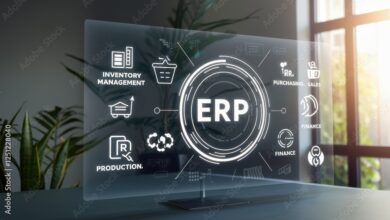
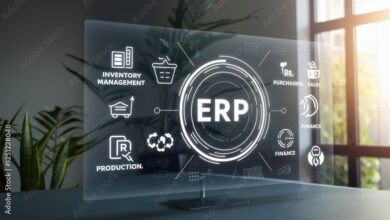
Sage ERP offers a variety of modules designed to streamline different aspects of business operations. These modules are integrated to provide a comprehensive solution for managing various functions within an organization.
Financial Management
The Financial Management module in Sage ERP allows businesses to automate and streamline their accounting processes. It includes features such as general ledger, accounts payable, accounts receivable, and financial reporting. By centralizing financial data and automating repetitive tasks, this module helps in improving accuracy, efficiency, and decision-making.
Inventory Management
The Inventory Management module enables businesses to effectively manage their inventory levels, track stock movements, and optimize supply chain processes. It provides real-time visibility into inventory levels, helps in forecasting demand, and can automate reorder points to prevent stockouts or overstock situations. This module ensures that businesses have the right products available at the right time, reducing carrying costs and improving customer satisfaction.
Sales and Customer Management
The Sales and Customer Management module helps businesses in managing their sales pipeline, tracking customer interactions, and improving customer relationships. It includes features such as lead management, contact management, sales order processing, and customer support. By centralizing customer data and providing insights into customer behavior, businesses can personalize their sales approach, increase customer retention, and drive revenue growth.
Production Management
The Production Management module is designed to streamline manufacturing processes, optimize production schedules, and improve resource utilization. It includes features such as bill of materials, work order management, shop floor control, and quality control. By automating production workflows and providing real-time insights into manufacturing operations, businesses can reduce lead times, minimize waste, and enhance overall productivity.
Human Resources Management
The Human Resources Management module helps businesses in managing their workforce effectively, from recruitment to retirement. It includes features such as employee self-service, payroll processing, benefits administration, and performance management. By centralizing HR data, automating HR processes, and ensuring compliance with regulations, businesses can improve employee satisfaction, reduce administrative burden, and enhance overall productivity.
Comparison of Modules
Each module in Sage ERP is designed to address specific business functions and can be customized to meet the unique needs of different industries. While the Financial Management module focuses on accounting and financial reporting, the Inventory Management module emphasizes supply chain optimization. The Sales and Customer Management module enhances customer relationships, while the Production Management module streamlines manufacturing processes. The Human Resources Management module ensures effective workforce management and compliance with HR regulations. By integrating these modules, businesses can achieve operational excellence, improve decision-making, and drive growth.
Customization in Sage ERP
Customization in Sage ERP involves tailoring the software to fit the specific needs and requirements of a business. This process allows businesses to optimize their workflows, improve efficiency, and enhance overall productivity.
Process of Customizing Sage ERP
- Identify Business Needs: The first step in customization is to identify the specific requirements of the business and the areas in which the ERP system needs to be tailored.
- Customization Options: Sage ERP offers various customization options, such as creating custom fields, workflows, reports, and integrations with other systems.
- Configuration: Once the requirements are identified, the ERP system can be configured to meet the specific needs of the business.
- Testing and Implementation: It is crucial to thoroughly test the customized ERP system before implementation to ensure that it functions correctly and meets the desired objectives.
Common Customization Requests in Sage ERP
- Custom Reports: Businesses often request custom reports to analyze specific data or metrics that are not readily available in standard reports.
- Workflow Automation: Automation of workflows to streamline processes and reduce manual intervention is a common customization request.
- Integration with Third-Party Applications: Integrating Sage ERP with other third-party applications to ensure seamless data flow and connectivity.
Benefits and Drawbacks of Extensive Customization in Sage ERP
- Benefits:
- Increased Efficiency: Customizing Sage ERP can lead to increased efficiency by automating processes and workflows.
- Improved Decision-Making: Custom reports and analytics can provide valuable insights for better decision-making.
- Enhanced User Experience: Tailoring the system to meet specific business needs can improve user experience and overall satisfaction.
- Drawbacks:
- Complexity and Maintenance: Extensive customization can lead to system complexity and require ongoing maintenance and support.
- Cost: Customization can be costly, both in terms of initial investment and ongoing maintenance.
- Upgrade Challenges: Upgrading to new versions of Sage ERP can be challenging when extensive customizations are in place.
Integration Capabilities
Integration is a crucial aspect of any modern ERP system, and Sage ERP offers a variety of options to seamlessly connect with other software systems. By integrating Sage ERP with other applications, businesses can streamline processes, improve data accuracy, and enhance overall efficiency.
Available Integration Options
- Sage CRM Integration: By integrating Sage ERP with Sage CRM, businesses can ensure seamless communication between sales, marketing, and customer service departments.
- Third-Party Software Integration: Sage ERP can be easily integrated with popular third-party applications such as Microsoft Office, Salesforce, and eCommerce platforms.
- Custom Integration Solutions: For more specific integration needs, businesses can develop custom solutions using Sage ERP’s open APIs.
Importance of Integration with Other Software Systems
Integrating Sage ERP with other software systems is essential for achieving a unified data environment and maximizing operational efficiency. Some key benefits include:
- Real-time Data Sync: Integrations ensure that data is automatically updated across all connected systems, eliminating the need for manual data entry and reducing errors.
- Improved Decision-Making: By consolidating data from multiple sources, businesses can gain a comprehensive view of their operations, enabling better decision-making.
- Enhanced Customer Experience: Integrated systems enable seamless interactions with customers, providing a cohesive and personalized experience.
Successful Integration Examples and Impact
Several businesses have successfully integrated Sage ERP with other software systems, resulting in significant improvements in their operations. Some examples include:
- Integration with eCommerce Platforms: By integrating Sage ERP with eCommerce platforms like Shopify, businesses have achieved streamlined order processing, inventory management, and customer data synchronization.
- Integration with Business Intelligence Tools: Integrating Sage ERP with tools like Tableau or Power BI has enabled businesses to create insightful reports and dashboards for better analytics and decision-making.
- Integration with Supply Chain Management Systems: Seamless integration with supply chain management systems has enhanced visibility and control over the entire supply chain, leading to improved inventory management and cost savings.
Implementation Process
Implementing Sage ERP for a new client involves several steps to ensure a successful integration of the system into their business operations.
Initial Assessment
- Conduct a thorough analysis of the client’s current business processes and requirements to determine the scope of the implementation.
- Identify key stakeholders and establish clear communication channels to manage expectations and ensure alignment throughout the process.
- Set goals and milestones for the implementation to track progress and measure success.
System Configuration and Setup
- Customize Sage ERP modules to align with the client’s specific needs and workflows.
- Configure user access levels and permissions to ensure data security and compliance.
- Import existing data into the system and perform necessary data cleansing and validation processes.
User Training
- Provide comprehensive training sessions for users to familiarize them with the features and functionalities of Sage ERP.
- Offer ongoing support and guidance to address any questions or issues that may arise during the training phase.
Testing and Quality Assurance
- Conduct thorough testing of the system to identify and resolve any bugs or issues before going live.
- Ensure data integrity and accuracy through rigorous quality assurance processes.
Go-Live and Support
- Schedule the system deployment and provide support during the transition period to address any immediate concerns.
- Offer post-implementation support to troubleshoot any issues and optimize system performance.
Best Practices for Smooth Implementation
- Establish a dedicated project team with clear roles and responsibilities.
- Communicate regularly with stakeholders to provide updates and address concerns.
- Document processes and decisions to ensure continuity and facilitate future system enhancements.
Common Challenges and Solutions
- Resistance to change: Address this by highlighting the benefits of the new system and providing adequate training and support.
- Data migration issues: Plan ahead, conduct thorough data validation, and involve experts to streamline the migration process.
- Lack of user adoption: Engage users early in the process, provide ongoing training, and gather feedback to address usability issues.
Training and Support
Training and support are crucial aspects of ensuring successful implementation and utilization of Sage ERP. Proper training programs and ongoing support can help users maximize the benefits of the software and increase efficiency in business operations.
Training Programs Offered
- Sage offers a variety of training programs for users of Sage ERP, including online training courses, webinars, in-person training sessions, and workshops.
- The training programs cover different modules of Sage ERP, customization options, integration capabilities, and best practices for efficient use of the software.
- Users can choose the training programs that best suit their needs and skill levels to ensure they are equipped with the knowledge and skills required to effectively use Sage ERP.
Tips for Effective Employee Training
- Customize training programs to fit the specific roles and responsibilities of employees within the organization. This ensures that employees receive relevant and practical training that they can apply in their daily tasks.
- Provide hands-on training opportunities where employees can practice using Sage ERP in a simulated environment before applying it to real-life scenarios.
- Encourage continuous learning and offer refresher courses to keep employees updated on new features and functionalities of Sage ERP.
Importance of Ongoing Support and Maintenance
- Ongoing support and maintenance are essential to address any issues or challenges that users may encounter while using Sage ERP. This ensures that users can continue to operate smoothly without disruptions.
- Regular maintenance and updates help optimize the performance of Sage ERP and ensure that users have access to the latest features and security enhancements.
- Having a dedicated support team available to assist users with any questions or technical issues can increase user confidence and satisfaction with the software, leading to improved productivity and efficiency.
Reporting and Analytics
Reporting and analytics are crucial components of Sage ERP that provide businesses with valuable insights to make informed decisions.
Reporting Capabilities
- Sage ERP offers customizable reporting templates that allow users to generate financial reports, inventory reports, sales reports, and more.
- Users can schedule automated report generation and distribution to streamline processes and improve efficiency.
- Real-time reporting functionality enables users to access up-to-date information for quick decision-making.
Analytics Tools
- Sage ERP provides powerful analytics tools such as data visualization, dashboards, and key performance indicators (KPIs) for in-depth data analysis.
- Users can track trends, identify patterns, and gain insights into the performance of their business operations.
- Advanced analytics capabilities allow businesses to forecast future outcomes and optimize strategies accordingly.
Leveraging Reporting and Analytics
- Businesses can use reporting and analytics in Sage ERP to monitor key metrics, evaluate performance, and identify areas for improvement.
- By analyzing data trends, businesses can make data-driven decisions that drive growth and profitability.
- Reporting and analytics enable businesses to track ROI, assess market trends, and enhance operational efficiency.
Cloud vs. On-Premise Deployment
When deciding between cloud-based and on-premise deployment of Sage ERP, there are various factors to consider. Each option comes with its own set of advantages and disadvantages that can impact the overall efficiency and effectiveness of the ERP system.
Advantages and Disadvantages
- Cloud Deployment:
- Advantages:
- Lower upfront costs as there is no need to invest in hardware.
- Scalability and flexibility to adjust resources according to business needs.
- Automatic updates and maintenance by the service provider.
- Disadvantages:
- Dependence on internet connectivity for access to the system.
- Potential security concerns related to data stored in the cloud.
- Possible limited customization options compared to on-premise deployment.
- Advantages:
- On-Premise Deployment:
- Advantages:
- Full control over data and system management.
- Customization options to tailor the system to specific business requirements.
- No reliance on internet connectivity for system access.
- Disadvantages:
- Higher upfront costs due to hardware and infrastructure investment.
- Responsibility for system updates and maintenance falls on the organization.
- Limited scalability compared to cloud deployment.
- Advantages:
Factors to Consider
- Business Size and Scalability Needs
- Security and Compliance Requirements
- Budget and Cost Considerations
- IT Resource Availability and Expertise
- Integration with Existing Systems
Real-world Scenarios
For a small to medium-sized business with limited IT resources and a focus on cost-effectiveness, cloud deployment may be the preferred option due to its lower upfront costs and automatic updates. On the other hand, a large enterprise with complex customization requirements and stringent security policies may opt for on-premise deployment to have full control over the system and data.
Security Features in Sage ERP
Data security is a critical aspect of any ERP system, especially when dealing with sensitive information. Sage ERP ensures the protection of valuable data through a range of security features and measures.
Role-based Access Control
Sage ERP incorporates role-based access control, allowing administrators to define and manage user permissions based on their roles within the organization. This feature ensures that users only have access to the information necessary for their job responsibilities, reducing the risk of unauthorized access to sensitive data.
Data Encryption
Another essential security feature in Sage ERP is data encryption. By encrypting data both in transit and at rest, sensitive information is safeguarded from potential cyber threats. This encryption method converts data into a secure format that can only be accessed with the appropriate decryption keys, adding an extra layer of protection.
Audit Trails
Sage ERP includes audit trail capabilities that track and record all user activities within the system. This feature allows administrators to monitor changes made to data, access logs, and system configurations, enabling them to identify any suspicious behavior or unauthorized access promptly.
Two-factor Authentication
To enhance security further, Sage ERP offers two-factor authentication as an additional layer of defense. This feature requires users to provide two forms of authentication, typically a password and a unique verification code sent to their mobile device, before accessing the system. This significantly reduces the risk of unauthorized access, even if login credentials are compromised.
Regular Security Updates
Sage ERP prioritizes security by providing regular updates and patches to address any identified vulnerabilities or security issues. By keeping the system up to date with the latest security enhancements, organizations can ensure that their data remains protected against evolving cyber threats.
Future Trends in Sage ERP
In the rapidly evolving landscape of technology, it is crucial to stay ahead of the curve and anticipate the future trends in Sage ERP. With advancements in AI and IoT shaping the way businesses operate, Sage ERP is poised to embrace these innovations to meet the changing needs of organizations in the digital age.
AI Integration in Sage ERP
Artificial Intelligence (AI) is revolutionizing the way businesses manage their operations and make decisions. In the future, we can expect to see AI seamlessly integrated into Sage ERP systems to automate routine tasks, provide valuable insights through data analysis, and enhance overall efficiency.
IoT Connectivity for Enhanced Functionality
The Internet of Things (IoT) is another game-changer in the tech industry, allowing devices to communicate and share data in real-time. Sage ERP is likely to leverage IoT connectivity to enable better tracking of assets, optimize supply chain management, and improve operational visibility for businesses.
Adapting to the Digital Transformation Era
As businesses increasingly shift towards digital transformation, Sage ERP is adapting to meet the evolving needs of organizations. This includes providing more flexible deployment options, enhancing security features to combat cyber threats, and offering advanced analytics capabilities to drive informed decision-making.
Final Summary
In conclusion, Sage ERP stands as a reliable ally for businesses seeking innovation and growth, paving the way for a successful future in the digital landscape.

Contributing author focused on delivering fresh perspectives and timely information.