Best ERP for small business takes center stage in revolutionizing how small businesses operate and thrive. From managing finances to optimizing inventory and enhancing customer relationships, the right ERP system can make all the difference. Dive into this comprehensive guide to discover the key aspects of selecting the best ERP solution for your small business.
Importance of ERP for small businesses
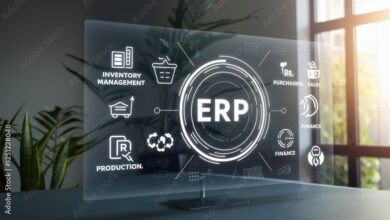
ERP systems play a crucial role in streamlining operations for small businesses by integrating various functions and processes into a single platform. This allows for better coordination and communication across different departments, leading to increased efficiency and productivity.




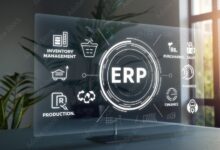
ERP software helps small businesses in managing finances by providing real-time insights into financial data, automating tasks such as invoicing and payroll, and ensuring compliance with regulations. Additionally, it helps in inventory management by optimizing stock levels, tracking inventory movements, and reducing stockouts or overstock situations. Moreover, ERP systems assist in enhancing customer relationships through centralized customer data, personalized communication, and effective customer service management.
Examples of how small businesses can benefit from implementing ERP solutions
- Improved Efficiency: ERP systems eliminate manual data entry and streamline processes, saving time and reducing errors.
- Cost Savings: By optimizing inventory levels and automating financial processes, small businesses can reduce operational costs.
- Enhanced Decision Making: Access to real-time data and analytics allows for informed decision-making and strategic planning.
- Scalability: ERP systems can grow with the business, accommodating increased data volume and expanding operations.
Features to look for in the best ERP for small businesses
When choosing an ERP system for a small business, it is essential to consider several key features that can contribute to the overall success and efficiency of the organization. These features can make a significant difference in streamlining operations, improving productivity, and enhancing decision-making processes.
Scalability
One of the most critical features to look for in an ERP system for a small business is scalability. The system should be able to grow and adapt along with the company, accommodating increased data, users, and functionalities as the business expands.
Customization
Another essential feature is customization capabilities. The ERP system should allow for tailored settings and configurations to meet the specific needs and requirements of the business. This flexibility can ensure that the system aligns perfectly with the unique processes and workflows of the organization.
Integration Capabilities
Integrated systems are crucial for small businesses to avoid siloed data and streamline operations. The best ERP systems should offer seamless integration with other software applications and platforms commonly used by the business, such as accounting software, CRM systems, or e-commerce platforms.
User-Friendly Interfaces and Mobile Accessibility
A user-friendly interface is essential for ensuring that employees can easily navigate the ERP system and access the information they need efficiently. Additionally, mobile accessibility allows users to work on the go, enabling remote access to critical data and functionalities from any location.
Reporting and Analytics Tools
Reporting and analytics tools are vital for small businesses to track performance, analyze trends, and make data-driven decisions. The ERP system should provide robust reporting capabilities, real-time analytics, and customizable dashboards to help users gain valuable insights into various aspects of the business.
Cost-effective ERP solutions for small businesses
Implementing an ERP system can significantly improve efficiency and productivity for small businesses, but finding a cost-effective solution is crucial to ensure a positive return on investment.
Budget-friendly ERP options
When looking for an ERP solution for your small business, it’s essential to consider budget-friendly options that offer the necessary features without breaking the bank. Some affordable ERP options suitable for small businesses include:
- ERPNext
- Zoho Books
- Odoo
- Xero
Pricing models
Small businesses can choose between different pricing models for ERP systems, such as subscription-based or one-time payment options. Subscription-based models typically involve monthly or annual fees, while one-time payment models require an upfront investment. It’s important to analyze your business needs and financial capabilities to determine which pricing model is the most cost-effective in the long run.
ROI of investing in an ERP system
Investing in an ERP system for your small business can lead to a significant return on investment by streamlining processes, improving data accuracy, and enhancing decision-making capabilities. By automating tasks and centralizing data, an ERP system can help reduce operational costs, increase productivity, and drive business growth. It’s essential to calculate the potential ROI of an ERP system based on your specific business requirements to determine the value it can bring to your organization.
Customization and scalability in ERP software
Customization and scalability are crucial aspects to consider when selecting an ERP software for small businesses. The ability to tailor the system to specific business needs and ensure it can grow alongside the company’s expansion is essential for long-term success.
Importance of customization in ERP software
Customization allows small businesses to adapt the ERP system to their unique processes, workflows, and requirements. This ensures that the software aligns perfectly with the business operations, leading to increased efficiency and productivity.
- Customizing reports and dashboards to track key performance indicators specific to the business.
- Adapting workflows and approval processes to match the company’s structure and hierarchy.
- Integrating third-party applications or modules to enhance functionality and meet specific needs.
Scalability benefits in ERP software
Scalability refers to the system’s ability to accommodate growth and handle increased data volume and user load without compromising performance. This feature is essential for small businesses looking to expand and evolve over time.
- Adding new users, departments, or functionalities as the business grows without significant disruptions.
- Scaling up data storage capacity and processing power to handle larger datasets and more complex operations.
- Integrating with other systems or platforms seamlessly as the business expands its technology infrastructure.
Challenges of customization and scalability in ERP selection
While customization and scalability offer significant advantages, they also present challenges in selecting the right ERP solution for small businesses. It’s essential to balance flexibility with ease of implementation and maintenance to ensure a successful ERP deployment.
- Identifying the right level of customization without overcomplicating the system or increasing implementation costs.
- Evaluating the scalability features of ERP software to ensure it can grow with the business without requiring frequent upgrades or extensive modifications.
- Choosing a vendor that offers customization and scalability options tailored to the business size, industry, and specific requirements.
Integration with existing systems and applications
Integrating ERP systems with existing tools and applications is crucial for maximizing efficiency and productivity in small businesses.
Benefits of integrating ERP software with other platforms
- Streamlined Processes: By integrating ERP with CRM, accounting, and e-commerce platforms, businesses can automate data sharing and eliminate manual entry errors.
- Improved Decision-Making: Access to real-time data across different systems allows for better insights and informed decision-making.
- Enhanced Customer Experience: Integration enables a seamless flow of information, leading to personalized customer interactions and improved service delivery.
Tips for smooth integration when implementing an ERP system
- Define Integration Goals: Clearly outline what data needs to be shared between systems and establish integration objectives.
- Choose Compatible Systems: Select ERP software that offers easy integration options with existing tools to avoid compatibility issues.
- Data Mapping: Ensure proper mapping of data fields between systems to maintain data integrity during integration.
- Testing and Training: Conduct thorough testing of the integrated systems and provide training to employees to ensure a smooth transition.
User training and support for ERP implementation
Employee training and support are crucial aspects of successful ERP implementation in small businesses. Without proper training, employees may struggle to adapt to the new system, leading to inefficiencies and errors in operations. The role of customer support provided by ERP vendors is also essential in helping users navigate the system and troubleshoot any issues that may arise during implementation.
Importance of employee training
Employee training ensures that all users understand how to effectively use the ERP system, maximizing its benefits for the business. Proper training can increase employee confidence, efficiency, and overall productivity. It also reduces the likelihood of errors and ensures a smooth transition to the new system.
- Provide hands-on training sessions for employees to practice using the ERP system in a simulated environment.
- Offer comprehensive training materials, such as manuals, video tutorials, and FAQs, for ongoing support.
- Assign super users or champions within the organization to provide assistance and guidance to their colleagues.
Role of customer support and resources by ERP vendors
ERP vendors should offer reliable customer support to assist users with any technical issues, software updates, or customization needs. Access to resources such as online forums, knowledge bases, and help desks can be valuable in resolving user queries promptly and efficiently.
- Ensure that the ERP vendor provides timely and responsive customer support through multiple channels, such as phone, email, and chat.
- Utilize vendor-provided training resources, webinars, and workshops to enhance user knowledge and skills.
- Regularly communicate with the vendor for updates, feedback, and ongoing support to address any user concerns.
Best practices for successful ERP implementation
To ensure a successful ERP implementation process, it is essential to follow best practices that focus on user training, support, and collaboration between stakeholders. By incorporating these practices, small businesses can streamline operations, increase productivity, and achieve their business goals effectively.
- Establish a dedicated training plan that addresses the specific needs and roles of employees within the organization.
- Encourage open communication and feedback between users, management, and the ERP vendor to address issues promptly.
- Conduct regular performance evaluations and training sessions to monitor user progress and address any gaps in knowledge or skills.
Security and data protection considerations in ERP solutions
In today’s digital age, ensuring the security and protection of sensitive business data is paramount for small businesses utilizing ERP solutions. Here are some key considerations to keep in mind:
Key Security Features in ERP Software
- Role-based access control: Implementing role-based access ensures that users only have access to the data necessary for their specific job functions.
- Encryption: Data encryption helps safeguard information both at rest and in transit, protecting it from unauthorized access.
- Audit trails: Having audit trails in place allows businesses to track user activities within the ERP system, aiding in detecting any suspicious behavior.
- Firewall protection: Firewalls help prevent unauthorized access to the ERP system and protect against external threats.
Importance of Data Backup and Disaster Recovery Mechanisms
Having robust data backup and disaster recovery mechanisms is crucial for small businesses using ERP systems. In the event of data loss or system failure, these mechanisms ensure that critical business data can be quickly restored, minimizing downtime and potential losses.
Common Security Threats Faced by Small Businesses
- Phishing attacks: Small businesses are often targeted by phishing scams, where cybercriminals attempt to obtain sensitive information through fraudulent emails or websites.
- Ransomware: Ransomware attacks can encrypt business data, rendering it inaccessible until a ransom is paid, posing a significant threat to small businesses.
- Data breaches: Unauthorized access to sensitive business data can result in data breaches, leading to financial losses, reputational damage, and legal consequences.
Cloud-based vs. on-premise ERP systems
In today’s rapidly evolving business landscape, the choice between cloud-based and on-premise ERP systems is a crucial decision for small businesses. Let’s explore the advantages and disadvantages of each option, considerations for selection, and future trends in cloud ERP adoption.
Advantages and Disadvantages of Cloud-based ERP Solutions
Cloud-based ERP solutions offer several advantages for small businesses, including:
- Lower upfront costs and reduced IT infrastructure requirements.
- Scalability and flexibility to adjust resources based on business needs.
- Accessibility from anywhere with an internet connection.
- Automatic updates and maintenance by the ERP provider.
However, there are also some disadvantages to consider:
- Dependence on internet connectivity for system access.
- Potential security concerns related to data stored in the cloud.
- Potential limitations in customization compared to on-premise solutions.
Considerations for Selecting between On-premise and Cloud-based ERP Systems
When choosing between on-premise and cloud-based ERP systems, small businesses should consider factors such as:
- Available budget and cost considerations for implementation and maintenance.
- Internal IT capabilities and resources for system management.
- Scalability and future growth plans of the business.
- Data security and compliance requirements specific to the industry.
Future Trends of Cloud ERP Adoption among Small Businesses
Looking ahead, the future of cloud ERP adoption among small businesses is expected to continue growing due to:
- Increased focus on remote work and the need for flexible, accessible systems.
- Advancements in cloud technology making solutions more secure and reliable.
- Integration with emerging technologies like AI and machine learning for enhanced business insights.
Industry-specific ERP solutions for small businesses
Industry-specific ERP solutions are tailored software designed to meet the unique needs of businesses operating in specific sectors such as manufacturing, retail, or services. These specialized ERP systems offer targeted features and functionalities to address the particular requirements of each industry.
Benefits of industry-specific ERP solutions
- Improved Efficiency: Industry-specific ERP solutions are built to streamline processes and workflows specific to a particular sector, leading to increased efficiency and productivity.
- Customized Functionality: These ERP systems come equipped with industry-specific modules and tools that cater to the unique demands of businesses in a particular sector, allowing for better customization.
- Compliance and Regulations: Industry-specific ERP solutions are designed to adhere to industry regulations and compliance standards, ensuring that businesses remain compliant with sector-specific requirements.
Examples of industry-specific ERP solutions
| Industry | ERP Solution | Unique Features |
|---|---|---|
| Manufacturing | IQMS | Shop floor control, quality management, supply chain visibility |
| Retail | Vend | Inventory management, point of sale, customer loyalty programs |
| Services | ServiceTitan | Field service management, scheduling, invoicing |
Case studies of successful ERP implementations in small businesses
Implementing ERP systems in small businesses can lead to significant improvements in efficiency, productivity, and decision-making processes. Let’s explore some real-world examples of successful ERP implementations in small businesses.
Case Study 1: XYZ Clothing Boutique
XYZ Clothing Boutique, a small retail store, faced challenges with inventory management, order processing, and customer relationship management. By implementing an ERP system tailored for small businesses, they were able to streamline their operations, track inventory in real-time, and improve customer service. Despite initial resistance from employees, proper training and support ensured a smooth transition. As a result, XYZ Clothing Boutique saw a 20% increase in sales and a 30% reduction in order fulfillment time.
Case Study 2: ABC Manufacturing Company
ABC Manufacturing Company, a small-scale manufacturer, struggled with production scheduling, resource allocation, and quality control. After integrating an ERP solution into their operations, they were able to automate production planning, optimize resource utilization, and implement quality control measures. Despite some resistance from long-time employees, effective change management strategies and continuous support led to successful adoption. ABC Manufacturing Company experienced a 15% increase in production output and a 25% decrease in defects.
Case Study 3: PQR Consulting Firm
PQR Consulting Firm, a small professional services firm, grappled with project management, resource allocation, and client billing issues. By implementing an ERP system designed for service-based businesses, they were able to centralize project data, allocate resources efficiently, and streamline invoicing processes. Although there were challenges in data migration and customization, the ERP vendor provided tailored solutions and ongoing support. As a result, PQR Consulting Firm achieved a 40% improvement in project completion rates and a 20% increase in client satisfaction.
Summary
In conclusion, choosing the best ERP for small business is a critical decision that can propel your company towards success. By prioritizing features like customization, integration, and scalability, you can ensure seamless operations and sustainable growth. Explore the possibilities and embark on a journey towards efficiency and profitability with the right ERP solution.

Contributing author focused on delivering fresh perspectives and timely information.