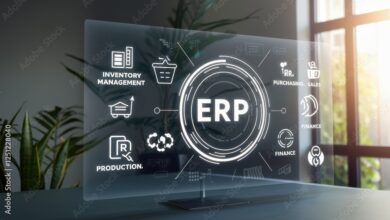
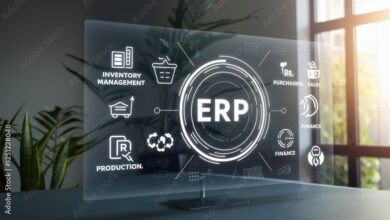
ERP software, a crucial tool for modern businesses, plays a vital role in integrating various processes to enhance efficiency and productivity. In this comprehensive guide, we will delve into the key aspects of ERP software, from its functions to implementation and future trends.
Introduction to ERP Software
ERP (Enterprise Resource Planning) software is a comprehensive system that helps businesses manage and integrate various core processes, such as finance, HR, supply chain, manufacturing, and more. It provides a centralized platform for data storage, analysis, and collaboration, streamlining operations and improving efficiency.





Importance of ERP Software
ERP software plays a crucial role in modern business operations by enhancing communication, standardizing processes, and providing real-time insights into organizational performance. It enables better decision-making, cost reduction, and increased productivity by automating repetitive tasks and eliminating data silos.
- Centralized Data Management: ERP software consolidates data from different departments into a single database, ensuring data accuracy and consistency across the organization.
- Improved Efficiency: By automating workflows and streamlining processes, ERP software reduces manual intervention and enhances operational efficiency.
- Enhanced Collaboration: ERP systems facilitate seamless communication and collaboration among teams, enabling better coordination and alignment of business goals.
Integration of Business Processes
ERP software integrates various business processes by connecting different departments, functions, and workflows within an organization. It allows for the flow of information across departments, enabling a holistic view of operations and promoting better decision-making based on real-time data.
ERP software acts as a digital backbone for businesses, providing a unified platform for managing resources, optimizing operations, and driving growth.
Types of ERP Software
ERP software comes in various types to cater to different business needs and requirements. Let’s explore the different types available in the market.
Cloud-Based ERP Software vs. On-Premise ERP Solutions
Cloud-based ERP software is hosted on remote servers and accessed through the internet, offering flexibility and scalability. On the other hand, on-premise ERP solutions are installed locally on a company’s servers and hardware, providing more control over data and security. The choice between the two depends on factors like budget, customization needs, and data security requirements.
Industry-Specific ERP Software
Industry-specific ERP software is tailored to meet the unique needs of different sectors such as manufacturing, healthcare, retail, and more. These solutions come with specialized features and modules designed to streamline processes specific to each industry. For example, manufacturing ERP software may include functions for production planning, inventory management, and supply chain optimization, while healthcare ERP software may focus on patient management, billing, and compliance with regulations.
Key Features of ERP Software
ERP software comes with a variety of features that are essential for businesses to streamline their operations, improve efficiency, and make informed decisions based on data analytics and reporting capabilities.
Integration of Various Business Functions
ERP software integrates different business functions such as finance, HR, inventory management, sales, and customer relationship management into a single system. This integration ensures smooth communication and data sharing across departments, eliminating the need for separate systems and reducing manual data entry errors.
Real-Time Data Access
One of the key features of ERP software is the ability to provide real-time access to critical business data. This allows employees to make informed decisions quickly, based on up-to-date information, leading to improved efficiency and productivity.
Automated Workflows
ERP software automates routine tasks and workflows, reducing manual intervention and saving time. This automation helps in streamlining processes, minimizing errors, and ensuring consistency in operations.
Data Analytics and Reporting
ERP systems come equipped with robust data analytics and reporting capabilities, allowing businesses to analyze trends, track performance metrics, and generate customized reports. This helps in gaining insights into business operations, identifying areas for improvement, and making data-driven decisions for future growth.
Implementation of ERP Software
Implementing ERP software in an organization is a complex process that requires careful planning and execution. It involves several key steps to ensure successful deployment and integration within the company.
Steps Involved in Implementing ERP Software
- Assessing the organization’s needs and requirements
- Selecting the right ERP software solution
- Creating a detailed implementation plan
- Preparing the organization for the change
- Customizing the ERP software to fit the organization’s processes
- Training employees on how to use the new system
- Testing the ERP software for any bugs or issues
- Rolling out the ERP software to the entire organization
- Providing ongoing support and maintenance
Common Challenges Faced During ERP Implementation and How to Overcome Them
- Lack of top management support: Ensure that senior executives are actively involved and supportive throughout the implementation process.
- Data migration issues: Thoroughly clean and organize existing data before migrating it to the new ERP system.
- Resistance to change: Communicate the benefits of the new system to employees and involve them in the implementation process.
- Insufficient training: Provide comprehensive training to employees at all levels to ensure they are comfortable with the new software.
- Scope creep: Clearly define project scope and objectives to prevent unnecessary changes during implementation.
Best Practices for Successful ERP Software Deployment
- Establish clear goals and objectives for the ERP implementation
- Involve key stakeholders from different departments in the planning process
- Allocate sufficient time and resources for training and support
- Regularly communicate progress and updates to all employees
- Conduct thorough testing before full deployment to identify and resolve any issues
- Monitor performance and gather feedback to continuously improve the system
Customization and Integration
Customization and integration play a crucial role in maximizing the efficiency and effectiveness of ERP software in meeting specific business needs and seamlessly connecting with other systems.
Customization Options
Customization options in ERP software allow businesses to tailor the system to their unique requirements, workflows, and processes. This ensures that the software aligns perfectly with the organization’s operations, leading to improved productivity and accuracy.
Integration with Other Systems
ERP software can be integrated with other systems such as CRM, HR, and accounting software to create a unified ecosystem that streamlines data flow and communication across departments. This integration eliminates silos and enables real-time access to critical information for informed decision-making.
Successful ERP Software Integrations
- Integration of ERP with CRM software: This integration enables seamless sharing of customer data between sales, marketing, and customer service teams, leading to enhanced customer satisfaction and retention.
- Integration of ERP with HR software: By integrating ERP with HR systems, organizations can automate processes related to employee management, payroll, and benefits administration, resulting in improved workforce efficiency and compliance.
- Integration of ERP with accounting software: This integration ensures accurate financial data synchronization between ERP and accounting systems, enabling timely financial reporting, budgeting, and forecasting.
ERP Software Security
Ensuring the security of sensitive business data is crucial for any organization implementing ERP software. Let’s delve into the security measures taken by ERP systems to protect valuable information.
Security Measures in ERP Software
- Role-based access control: ERP software restricts access to data based on user roles, ensuring that only authorized personnel can view or modify sensitive information.
- Encryption: Data encryption techniques are used to safeguard data during transmission and storage, preventing unauthorized access.
- Regular security updates: ERP vendors release patches and updates to address vulnerabilities and enhance system security.
- Firewalls and intrusion detection systems: These tools monitor network traffic, detect suspicious activities, and block unauthorized access attempts.
Common Security Threats and Mitigation Strategies
- Phishing attacks: Employees may fall victim to phishing emails that trick them into disclosing login credentials. Training staff on identifying phishing attempts and implementing email filters can help mitigate this threat.
- Data breaches: Implementing strong authentication methods, regular data backups, and encryption can minimize the risk of data breaches.
- Insider threats: Monitoring user activities, restricting access to sensitive data, and conducting regular security audits can help prevent insider threats.
Data Privacy and Compliance
- Compliance with regulations: ERP software should comply with data protection laws such as GDPR, HIPAA, or PCI-DSS to ensure data privacy and avoid legal repercussions.
- Data anonymization: Personal data should be anonymized or pseudonymized to protect user privacy and comply with privacy regulations.
Training and Support for ERP Software
Training employees to effectively use ERP software is crucial for maximizing the benefits of the system. A well-trained workforce ensures smooth implementation, increased productivity, and efficient utilization of the software’s features. Additionally, ongoing support and maintenance play a vital role in optimizing ERP software performance, addressing issues promptly, and keeping the system up-to-date.
Training Methods and Resources
- On-Site Training: Conducting training sessions at the company’s premises allows employees to learn in their familiar environment, making it easier to apply the knowledge directly to their tasks.
- Online Tutorials and Webinars: Providing access to online tutorials and webinars offers flexibility for employees to learn at their own pace and convenience, especially for remote or distributed teams.
- Vendor Training Programs: Many ERP software vendors offer training programs tailored to their specific software, ensuring employees receive in-depth knowledge and guidance on using the system effectively.
- Internal Training Materials: Developing internal training materials, such as user manuals, guides, and videos, can serve as valuable resources for employees to refer back to whenever needed.
Ongoing Support and Maintenance
- Help Desk Support: Providing a dedicated help desk or support team allows employees to quickly address any issues or questions they may encounter while using the ERP software.
- Software Updates and Upgrades: Regular updates and upgrades are essential to ensure the ERP software remains secure, efficient, and compatible with evolving business needs and technologies.
- User Forums and Communities: Encouraging employees to participate in user forums and communities can help them connect with peers, share best practices, and seek advice on optimizing their use of the ERP software.
- Training Refresher Courses: Offering refresher courses or advanced training sessions can help employees deepen their understanding of the ERP software and explore advanced features for enhanced productivity.
Scalability and Growth with ERP Software
ERP software plays a crucial role in supporting business scalability and growth by providing companies with the necessary tools and capabilities to expand their operations efficiently and effectively.
Flexibility of ERP Systems
ERP systems are designed to be highly flexible, allowing businesses to easily adapt to changing requirements and scale their operations as needed. These systems can accommodate new business processes, additional users, and increased data volume without significant disruptions.
- ERP systems can easily integrate with new modules or functionalities to support business growth initiatives.
- They allow for customization to meet specific business needs and requirements, ensuring that the software can evolve alongside the organization.
- ERP software provides real-time data visibility and analytics, enabling companies to make informed decisions to drive growth and expansion.
Examples of Successful Scaling with ERP Software
Several companies have successfully scaled their operations using ERP software, showcasing the power of these systems in supporting business growth:
- Company A implemented an ERP system that allowed them to streamline their supply chain processes, resulting in improved efficiency and scalability to meet increasing customer demands.
- Company B leveraged ERP software to centralize their financial operations, enabling them to expand into new markets and regions while maintaining financial control and compliance.
- Company C utilized ERP systems to automate manual processes, reduce operational costs, and support rapid growth in their e-commerce business.
Cost of ERP Software
When considering implementing an ERP software system, it is crucial to understand the various costs associated with it. From initial setup to ongoing maintenance, the expenses can add up. Let’s break down the costs and explore the factors that influence the total cost of ownership for ERP software.
Types of Costs Associated with ERP Software
- License Fees: Most ERP vendors charge a fee for the software license, which can vary based on the number of users and modules required.
- Implementation Costs: This includes expenses related to customization, data migration, training, and consulting services to set up the ERP system.
- Hardware and Infrastructure: Organizations may need to invest in hardware upgrades or additional infrastructure to support the ERP software.
- Maintenance and Support: Ongoing costs for updates, maintenance, and technical support services provided by the ERP vendor.
Comparison of Pricing Models
ERP vendors may offer different pricing models, such as subscription-based pricing, perpetual licensing, or usage-based pricing. Each model has its cost implications and may impact the total cost of ownership over time.
Factors Influencing Total Cost of Ownership
- Complexity of Implementation: The more complex the customization and integration requirements, the higher the implementation costs.
- Scalability and Growth: Consider future expansion and the ability of the ERP system to scale with your business to avoid additional costs down the line.
- User Training and Support: Investing in comprehensive training programs and ongoing support can impact the overall cost of ERP software ownership.
- ERP Software Security: Implementing robust security measures may require additional investments to protect sensitive data and prevent cyber threats.
Mobile ERP Solutions
Mobile ERP solutions have become increasingly popular in today’s business landscape, especially with the rise of remote work environments. These solutions offer flexibility, accessibility, and improved productivity for organizations looking to streamline their operations on the go.
Features and Functionalities of Mobile ERP Applications
Mobile ERP applications come with a range of features and functionalities designed to enhance efficiency and collaboration. Some key features include real-time data access, push notifications for alerts and updates, mobile dashboards for quick insights, and the ability to perform tasks such as approvals and data entry on the go.
- Real-time data access: Mobile ERP solutions enable users to access up-to-date information anytime, anywhere, ensuring that decisions are based on the latest data.
- Push notifications: Users receive instant alerts and updates on important tasks, approvals, or system changes, keeping them informed and engaged.
- Mobile dashboards: Visual representations of key performance indicators and metrics allow users to monitor performance and make informed decisions quickly.
- Task capabilities: Employees can complete tasks such as approvals, expense reporting, and time tracking directly from their mobile devices, increasing efficiency and reducing delays.
Industries Embracing Mobile ERP Solutions
Various industries have recognized the benefits of mobile ERP solutions and have integrated them into their operations to drive productivity and agility. Some examples include:
- Manufacturing: Mobile ERP solutions allow manufacturers to track production processes, manage inventory, and monitor equipment remotely, leading to improved efficiency and reduced downtime.
- Healthcare: Healthcare providers use mobile ERP applications to access patient records, schedule appointments, and coordinate care plans from anywhere, enhancing patient outcomes and staff collaboration.
- Retail: Retailers leverage mobile ERP solutions to track sales performance, manage inventory levels, and analyze customer data on the go, enabling better decision-making and personalized customer experiences.
Future Trends in ERP Software
As technology continues to advance at a rapid pace, the future of ERP software is poised to undergo significant changes. With the integration of cutting-edge technologies such as Artificial Intelligence (AI), Internet of Things (IoT), and blockchain, ERP systems are evolving to meet the changing needs of businesses in the digital age.
Impact of AI on ERP Systems
AI is revolutionizing the way ERP software operates by enabling predictive analytics, automation of routine tasks, and intelligent decision-making capabilities. This integration enhances data accuracy, streamlines processes, and provides valuable insights for informed decision-making.
Role of IoT in ERP Software
IoT devices are increasingly being integrated into ERP systems to collect real-time data from connected devices and sensors. This data enables businesses to optimize operations, improve efficiency, and enhance customer experiences through seamless connectivity and data-driven insights.
Integration of Blockchain Technology
Blockchain technology is enhancing the security and transparency of ERP systems by creating a decentralized and tamper-proof ledger for storing transactional data. This secure and immutable record ensures data integrity, enhances trust among stakeholders, and reduces the risk of fraud or data manipulation.
Evolution of ERP Software for Digital Transformation
In response to the digital transformation of businesses, ERP software is evolving to be more agile, flexible, and user-friendly. Cloud-based ERP solutions, mobile accessibility, and modular customization options are becoming standard features to meet the dynamic needs of modern organizations.
Final Summary
In conclusion, ERP software stands as a cornerstone in the digital transformation of businesses, offering scalability, customization, and enhanced security measures. Embracing ERP solutions can pave the way for sustainable growth and success in today’s dynamic business landscape.

Contributing author focused on delivering fresh perspectives and timely information.