Best ERP software sets the stage for this enthralling narrative, offering readers a glimpse into a story that is rich in detail and brimming with originality from the outset. In today’s competitive business landscape, choosing the right ERP software can make all the difference in optimizing operations and driving growth.
As businesses strive to enhance efficiency, reduce costs, and improve decision-making processes, the demand for top-notch ERP solutions continues to soar. Let’s delve deeper into the realm of ERP software to uncover key features, top providers, implementation processes, integration capabilities, customization options, security features, mobile accessibility, and future trends that shape the landscape of modern business management.





Overview of ERP Software
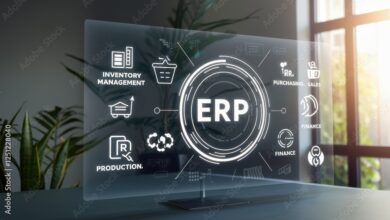
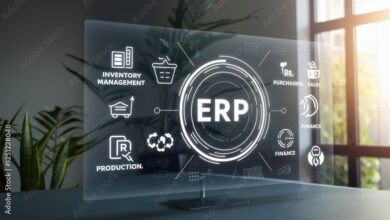
ERP (Enterprise Resource Planning) software is a centralized system that integrates various business processes and functions into a single platform. Its primary functions include streamlining operations, improving efficiency, and providing real-time data for decision-making.
ERP software offers numerous benefits for businesses, such as increased productivity, better visibility into operations, cost savings, and improved customer satisfaction. By automating processes and providing a holistic view of the organization, ERP software enables companies to make informed decisions and adapt to changing market conditions.
Various industries commonly use ERP software to manage their operations effectively. Some examples include manufacturing, retail, healthcare, finance, and logistics. Regardless of the industry, ERP software helps organizations optimize resources, reduce manual errors, and enhance overall performance.
Key Features to Look for in ERP Software
When selecting an ERP software for your business, it is crucial to consider the key features that will best suit your needs and help streamline your operations. Below are some essential features to look for in ERP software:
Financial Management
One of the most critical features of ERP software is robust financial management capabilities. This includes tools for accounting, budgeting, invoicing, and financial reporting. A good ERP system should provide real-time insights into your company’s financial health and streamline financial processes.
Inventory Tracking
Effective inventory management is essential for businesses dealing with physical products. Look for ERP software that offers advanced inventory tracking features such as real-time stock updates, automated reordering, and inventory optimization tools. This will help you minimize stockouts, reduce excess inventory, and improve overall supply chain efficiency.
Reporting Tools
Comprehensive reporting tools are crucial for analyzing business performance and making informed decisions. A good ERP system should offer customizable reporting templates, dashboards, and data visualization tools to help you track KPIs, monitor trends, and identify areas for improvement.
Scalability and Customization Options
Scalability is key as your business grows and evolves. Choose an ERP software that can easily scale to accommodate your changing needs, whether it’s adding new users, integrating additional modules, or expanding into new markets. Customization options are also essential to tailor the software to your specific business processes and requirements.
Cloud-based vs. On-premise ERP Solutions
When considering ERP solutions, you’ll need to decide between cloud-based and on-premise options. Cloud-based ERP systems offer the advantage of accessibility from anywhere with an internet connection, lower upfront costs, and automatic updates. On-premise solutions, on the other hand, provide greater control over data security and customization. Consider your business’s specific needs and preferences when choosing between the two.
Top ERP Software Providers
When it comes to choosing an ERP software provider, there are several top companies in the market that offer reliable solutions to meet your business needs. Let’s take a look at some of the popular ERP software providers, compare their pricing models, and discuss their reputation based on customer reviews.
Popular ERP Software Providers
- 1. SAP ERP: SAP is one of the leading providers of ERP software, offering a range of solutions for businesses of all sizes. Their pricing model varies based on the modules and features you choose, with options for cloud-based or on-premise deployment. Customer reviews often praise SAP for its robust functionality and scalability.
- 2. Oracle ERP Cloud: Oracle is another major player in the ERP market, known for its comprehensive suite of cloud-based ERP solutions. Pricing for Oracle ERP Cloud is typically based on a subscription model, with options for different modules and add-ons. Customers appreciate Oracle’s user-friendly interface and powerful analytics capabilities.
- 3. Microsoft Dynamics 365: Microsoft offers a range of ERP solutions under the Dynamics 365 umbrella, catering to various industries and business sizes. Their pricing model includes subscription-based plans with flexible pricing tiers. Customers often highlight the seamless integration with other Microsoft tools and the ease of customization.
Comparing Pricing Models
When comparing the pricing models of different ERP software vendors, it’s essential to consider factors such as licensing fees, implementation costs, maintenance fees, and any additional expenses for customization or support. Some vendors offer a one-time payment option, while others prefer a subscription-based model with monthly or annual fees.
Reputation and Customer Reviews
Customer reviews can provide valuable insights into the reputation of ERP software providers. Positive reviews often highlight ease of use, robust features, reliable support, and scalability. On the other hand, negative reviews may point out issues with implementation, bugs, lack of customization options, or poor customer service.
It’s important to research and read customer reviews to get a sense of how satisfied users are with the ERP software provider’s products and services. Look for testimonials from businesses similar to yours to gauge the suitability of the ERP solution for your specific needs.
Implementation Process of ERP Software
Implementing ERP software in a company involves a series of crucial steps to ensure a successful deployment. It requires careful planning, coordination, and communication among various stakeholders.
Steps Involved in Implementing ERP Software
- Assessment and Planning: Evaluate the company’s current processes and identify areas that need improvement. Develop a detailed implementation plan outlining goals, timeline, and resources required.
- Selection of ERP System: Choose the right ERP software that aligns with the company’s needs and objectives. Consider factors such as scalability, integration capabilities, and user-friendliness.
- Customization and Configuration: Tailor the ERP system to meet specific business requirements through customization and configuration. Ensure that the software aligns with existing workflows and processes.
- Data Migration: Transfer data from legacy systems to the new ERP software accurately and securely. Conduct thorough testing to validate data integrity.
- Training and Change Management: Provide comprehensive training to employees on how to use the ERP system effectively. Implement change management strategies to ensure smooth adoption of the new software.
- Go-Live and Support: Launch the ERP system in a phased approach to minimize disruptions. Provide ongoing support and maintenance to address any issues that may arise post-implementation.
Common Challenges During ERP Implementation and How to Overcome Them
- Lack of Executive Buy-In: Ensure that top management is actively involved and supportive of the ERP implementation process. Communicate the benefits and ROI of the software to gain their commitment.
- Resistance to Change: Address employee resistance by involving them in the decision-making process, providing training and support, and emphasizing the positive impact of the ERP system on their daily tasks.
- Scope Creep: Define clear project scope and objectives at the outset to prevent scope creep. Regularly review and adjust the project plan as needed to stay on track.
- Insufficient Training: Invest in comprehensive training programs for employees at all levels to ensure they are proficient in using the ERP system. Offer ongoing support and resources for continuous learning.
Tips for Successful ERP Software Deployment
- Engage Key Stakeholders: Involve key stakeholders from different departments in the planning and decision-making process to ensure their needs are addressed.
- Set Realistic Expectations: Establish clear goals and timelines for the ERP implementation, taking into account factors such as resource availability and potential challenges.
- Monitor Progress Closely: Keep track of project milestones, risks, and issues throughout the implementation process. Make necessary adjustments to stay on schedule and budget.
- Celebrate Achievements: Recognize and celebrate small wins and milestones achieved during the ERP implementation to boost morale and motivation among team members.
Integration Capabilities of ERP Software
Integration capabilities of ERP software play a crucial role in streamlining business processes and ensuring data consistency across different systems.
Types of Systems ERP Software Can Integrate With
ERP software can integrate with various business systems to enhance operational efficiency and decision-making processes. Some of the key systems include:
- Customer Relationship Management (CRM) systems: Integration between ERP and CRM systems enables a seamless flow of information between sales, marketing, and customer service departments, leading to improved customer satisfaction.
- Supply Chain Management (SCM) systems: Integration with SCM systems allows businesses to optimize inventory management, procurement processes, and logistics, leading to cost savings and better supply chain visibility.
- Human Resources Management (HRM) systems: Integration with HRM systems helps in managing employee data, payroll, benefits, and performance evaluations more efficiently, ensuring compliance with labor regulations.
Benefits of Seamless Integration
Seamless integration between ERP software and other business systems offers several benefits, including:
- Real-time data synchronization: Integrated systems ensure that data is updated in real-time across all departments, eliminating discrepancies and enhancing decision-making processes.
- Improved visibility and reporting: Integration enables comprehensive reporting and analytics by consolidating data from multiple systems, providing actionable insights for strategic planning.
- Enhanced productivity: Streamlined processes and automated workflows resulting from integration reduce manual data entry, minimizing errors and improving overall productivity.
Customization Options in ERP Software
When it comes to ERP software, customization options play a crucial role in tailoring the system to meet specific business needs. This level of flexibility allows companies to optimize processes, improve efficiency, and enhance overall performance. Let’s explore the level of customization ERP software offers, the benefits of tailoring it to specific business needs, and examples of industries that benefit from highly customizable ERP solutions.
Level of Customization in ERP Software
ERP software typically offers a high level of customization, allowing businesses to adapt the system to their unique requirements. This can include customizing workflows, reports, dashboards, and user interfaces to align with specific processes and preferences. By tailoring the software to fit the organization’s needs, companies can streamline operations, increase productivity, and drive growth.
Benefits of Tailoring ERP Software
– Improved Efficiency: Customizing ERP software enables businesses to automate tasks, reduce manual work, and eliminate redundant processes, leading to increased efficiency.
– Enhanced User Experience: Tailored ERP systems provide a user-friendly interface and personalized features, making it easier for employees to navigate the system and perform their tasks effectively.
– Better Decision-Making: Customized reports, analytics, and dashboards allow businesses to access real-time insights and data-driven decisions, leading to improved performance and strategic planning.
Examples of Industries Benefiting from Customizable ERP Solutions
1. Manufacturing: Customizable ERP software in the manufacturing industry allows companies to manage complex supply chains, optimize production processes, and track inventory levels efficiently.
2. Healthcare: Healthcare organizations benefit from customizable ERP solutions by streamlining patient care, managing electronic health records, and improving overall operational efficiency.
3. Retail: Customizable ERP systems in the retail sector help businesses manage inventory, sales, and customer data effectively, leading to enhanced customer satisfaction and increased sales.
Security Features in ERP Software
When it comes to ERP software, security is a critical aspect that cannot be overlooked. Here are some key security measures that ERP software should have to protect sensitive data:
Data Encryption
Data encryption is essential in ERP systems to ensure that sensitive information is protected from unauthorized access. By encrypting data, it becomes unreadable to anyone who does not have the proper decryption key, adding an extra layer of security.
User Access Controls
User access controls play a crucial role in preventing unauthorized users from gaining access to sensitive data within the ERP system. By setting up user permissions and roles, organizations can control who has access to what information, reducing the risk of data breaches.
Preventing Security Breaches
Security breaches in ERP software can have devastating consequences for organizations. It is essential to take proactive measures to prevent such incidents. Some common security breaches in ERP software include phishing attacks, malware infections, and unauthorized access to data.
- Implementing multi-factor authentication can help prevent unauthorized access to the system.
- Regularly updating the ERP software to patch any known security vulnerabilities.
- Training employees on best practices for data security and raising awareness about potential threats.
- Conducting regular security audits to identify and address any security gaps in the system.
Mobile Accessibility of ERP Software
Mobile accessibility in ERP software plays a crucial role in today’s fast-paced business environment. With the increasing trend of remote work and on-the-go decision-making, having the ability to access ERP systems from mobile devices ensures that employees can stay connected and productive at all times.
Importance of Mobile Accessibility
Mobile accessibility allows users to access critical business data and functionalities from anywhere, at any time. This flexibility enables employees to make informed decisions on the fly, collaborate with team members seamlessly, and respond quickly to changing business needs.
Features of Mobile ERP Solutions
- Responsive design that adapts to different screen sizes and devices.
- Intuitive user interface optimized for touchscreens for ease of use.
- Offline access to important data, ensuring productivity even in areas with poor network connectivity.
- Push notifications for real-time updates on tasks, approvals, and important events.
- Integration with device features like cameras for scanning barcodes and documents.
Benefits of Mobile ERP Solutions
- Increased productivity as employees can access and update information on the go.
- Enhanced decision-making with real-time data availability.
- Improved collaboration among remote teams through instant communication and access to shared resources.
- Convenience and flexibility for employees to work from anywhere, reducing downtime and delays.
Future Trends in ERP Software
The landscape of ERP software is constantly evolving, with emerging technologies playing a significant role in shaping the future of these systems. Technologies such as AI (Artificial Intelligence), IoT (Internet of Things), and blockchain are revolutionizing the way ERP software operates and the capabilities it offers to businesses. Let’s explore how these technologies are influencing the development of ERP systems and what possible advancements we can expect in the coming years.
Impact of AI on ERP Software
AI is revolutionizing ERP software by enabling systems to automate repetitive tasks, analyze data more efficiently, and provide valuable insights for decision-making. With AI, ERP systems can enhance forecasting accuracy, optimize inventory management, and streamline processes across various departments.
Integration of IoT with ERP Software
The integration of IoT devices with ERP software allows for real-time data collection and monitoring of assets, equipment, and processes. This integration enables businesses to track their operations more effectively, improve resource utilization, and enhance overall efficiency. IoT also facilitates predictive maintenance and enables proactive decision-making based on real-time insights.
Utilization of Blockchain in ERP Software
Blockchain technology is enhancing the security and transparency of ERP systems by providing a decentralized and immutable ledger for recording transactions. By leveraging blockchain, ERP software can ensure data integrity, enhance trust among stakeholders, and streamline supply chain processes. The use of smart contracts in ERP systems also enables automated and secure transactions between parties.
Predicted Advancements in ERP Software
In the coming years, we can expect ERP software to become more intelligent, predictive, and user-friendly. Advancements in machine learning and natural language processing will enhance the capabilities of ERP systems, enabling them to automate complex tasks, personalize user experiences, and deliver actionable insights in real-time. Additionally, the integration of emerging technologies such as AR (Augmented Reality) and VR (Virtual Reality) may revolutionize the way users interact with ERP systems, providing immersive and intuitive experiences for enhanced productivity.
Final Review
In conclusion, the world of ERP software is vast and dynamic, offering businesses a plethora of tools to revolutionize their operations. By understanding the essential elements and staying abreast of emerging trends, companies can stay ahead of the curve and achieve sustainable success in today’s fast-paced digital age.

Contributing author focused on delivering fresh perspectives and timely information.