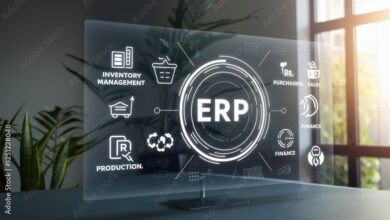
Netsuite ERP sets the stage for this enthralling narrative, offering readers a glimpse into a story that is rich in detail. Dive into the world of efficient business management with Netsuite ERP.
As we unravel the intricate layers of Netsuite ERP, we discover a powerful tool that streamlines operations and enhances productivity for businesses across various industries.






Overview of Netsuite ERP
Netsuite ERP is a cloud-based enterprise resource planning (ERP) software that helps businesses manage key functions such as financials, inventory, supply chain, and more in a single integrated platform. It offers a comprehensive suite of applications designed to streamline business processes and improve operational efficiency.
Key Features of Netsuite ERP
- Financial Management: Netsuite ERP provides tools for managing financial processes, including accounting, budgeting, and financial reporting.
- Inventory Management: Businesses can track inventory levels, reorder products, and optimize supply chain operations using Netsuite ERP.
- Customer Relationship Management (CRM): Netsuite ERP includes CRM capabilities to help businesses manage customer interactions and improve customer satisfaction.
- Order Management: From order entry to fulfillment, Netsuite ERP streamlines the order management process, ensuring accuracy and efficiency.
- Business Intelligence: Netsuite ERP offers robust reporting and analytics tools to help businesses make data-driven decisions and drive growth.
Examples of Industries Using Netsuite ERP
- Retail: Retail businesses use Netsuite ERP to manage inventory, sales, and customer data across multiple channels.
- Manufacturing: Manufacturers leverage Netsuite ERP to streamline production processes, manage supply chain operations, and improve overall efficiency.
- Ecommerce: Ecommerce companies utilize Netsuite ERP to integrate online sales platforms, manage orders, and track customer interactions in real-time.
- Professional Services: Professional service firms rely on Netsuite ERP for project management, resource allocation, and financial planning to drive profitability.
Implementation of Netsuite ERP
Implementing Netsuite ERP involves several key steps to ensure a successful integration of the system within an organization. It is crucial to plan and execute the implementation process meticulously to maximize the benefits of the ERP system.
Steps involved in implementing Netsuite ERP:
- Planning Phase: Define the scope, objectives, and timeline of the implementation project. Identify key stakeholders and create a project team.
- Data Migration: Cleanse and migrate existing data from legacy systems to Netsuite ERP. Ensure data accuracy and integrity throughout the process.
- Configuration: Customize Netsuite ERP according to the specific needs and workflows of the organization. Configure modules, user roles, and permissions.
- Testing: Conduct rigorous testing to validate the system’s functionality and performance. Address any issues or bugs identified during testing.
- Training: Provide comprehensive training to end-users to ensure they are proficient in using Netsuite ERP. Offer ongoing support and guidance.
- Go-Live: Transition to live operations with Netsuite ERP. Monitor system performance, gather feedback, and make necessary adjustments.
Challenges organizations may face during the implementation process:
- Resistance to Change: Employees may resist adopting a new system, leading to a lack of engagement and productivity.
- Data Integration Issues: Ensuring seamless integration with existing systems and data sources can be complex and time-consuming.
- Customization Overload: Over-customizing Netsuite ERP can lead to inefficiencies and difficulties in system maintenance.
- Resource Constraints: Limited budget, time, and expertise can hinder the successful implementation of Netsuite ERP.
Tips for a successful Netsuite ERP implementation:
- Strong Leadership: Ensure active leadership support and involvement throughout the implementation process.
- Clear Communication: Keep stakeholders informed and engaged, providing regular updates on the project’s progress.
- Change Management: Implement effective change management strategies to address resistance and facilitate a smooth transition.
- Training and Support: Invest in comprehensive training programs and ongoing support to empower users and maximize system utilization.
- Continuous Improvement: Regularly review and optimize processes within Netsuite ERP to drive continuous improvement and efficiency.
Customization in Netsuite ERP
Customization in Netsuite ERP refers to the ability to tailor the software to meet the specific needs and requirements of a business. This allows companies to adapt the system to their unique processes and workflows, enhancing efficiency and productivity.
Available Customization Options
Netsuite ERP offers a wide range of customization options, including the ability to create custom fields, forms, and workflows. Users can also develop custom scripts using SuiteScript, customize dashboards, and integrate third-party applications to extend the functionality of the system.
Benefits of Customizing Netsuite ERP
– Improved workflow efficiency: Customizing Netsuite ERP allows businesses to streamline processes and automate repetitive tasks, leading to increased productivity.
– Enhanced reporting and analytics: By customizing reports and dashboards, companies can gain valuable insights into their operations and make informed decisions.
– Scalability: Customizing Netsuite ERP ensures that the system can grow and evolve with the business, accommodating changing needs and requirements over time.
Common Customizations in Netsuite ERP
- Custom fields and forms: Businesses often add custom fields to capture specific data that is unique to their operations.
- Workflow customization: Companies can create custom workflows to automate approval processes, notifications, and other tasks.
- Integration with third-party applications: Many businesses integrate Netsuite ERP with other software to enhance functionality and improve data flow.
- Custom reporting: Customizing reports and dashboards allows organizations to track key performance indicators and monitor business metrics.
Integration with Netsuite ERP
Integrating other systems with Netsuite ERP is a crucial process that allows businesses to streamline their operations and maximize efficiency. By connecting different software applications with Netsuite ERP, organizations can ensure seamless communication and data sharing across various departments.
Process of Integration
Integrating other systems with Netsuite ERP involves identifying the specific requirements of the business and selecting the appropriate integration method. This can be achieved through the use of APIs, middleware solutions, or custom development to establish a connection between Netsuite ERP and external systems.
Benefits of Integration
- Improved data accuracy and consistency by eliminating manual data entry and reducing errors.
- Enhanced visibility and reporting capabilities by consolidating data from multiple sources into Netsuite ERP.
- Increased operational efficiency through automation of processes and workflows.
- Better decision-making with real-time access to integrated data across the organization.
Popular Integrations
Some examples of popular integrations with Netsuite ERP include:
- Integration with Salesforce for seamless synchronization of customer data and sales information.
- Integration with Shopify for e-commerce businesses to manage orders, inventory, and financials in one platform.
- Integration with Microsoft Office 365 for improved collaboration and communication within the organization.
- Integration with Amazon for streamlined order processing, inventory management, and sales tracking.
Reporting and Analytics in Netsuite ERP
Reporting and analytics are essential components of Netsuite ERP that provide valuable insights for decision-making and performance evaluation.
Reporting Capabilities
Netsuite ERP offers robust reporting capabilities that allow users to generate custom reports, dashboards, and key performance indicators (KPIs) to track various aspects of their business operations. Users can access real-time data and create visually appealing reports to monitor performance metrics effectively.
- Users can create ad-hoc reports by selecting relevant data fields and criteria to analyze specific information.
- Netsuite ERP provides pre-built report templates for common business functions, such as sales, finance, inventory, and customer service.
- Users can schedule automated report generation and distribution to ensure timely access to critical information.
Data Analytics in Netsuite ERP
Netsuite ERP leverages data analytics to help organizations gain insights into their operations, customer behavior, and market trends. By analyzing historical data and trends, users can make informed decisions and optimize their business processes.
- Netsuite ERP uses advanced analytics tools to identify patterns, trends, and anomalies in data to improve decision-making.
- Users can perform predictive analytics to forecast future trends and outcomes based on historical data and market conditions.
- Netsuite ERP offers data visualization capabilities to present complex data in easy-to-understand charts, graphs, and dashboards.
Key Performance Indicators (KPIs)
Netsuite ERP allows users to track various KPIs across different functional areas to measure performance, identify areas for improvement, and monitor progress towards business goals.
- Sales: Track sales revenue, conversion rates, customer acquisition costs, and average order value.
- Finance: Monitor cash flow, profitability, financial ratios, and budget variance.
- Inventory: Measure inventory turnover, fill rates, stockouts, and carrying costs.
- Customer Service: Evaluate response times, customer satisfaction scores, resolution rates, and service level agreements.
Security Features in Netsuite ERP
When it comes to protecting sensitive data, Netsuite ERP implements a robust set of security measures to ensure the confidentiality and integrity of information stored within the system.
Data Encryption
Netsuite ERP utilizes encryption techniques to safeguard data both in transit and at rest. This ensures that even if unauthorized access occurs, the data remains secure and unintelligible to malicious actors.
Role-Based Access Control
One of the key features of Netsuite ERP is its role-based access control system, which allows administrators to define permissions and access levels for different users. This helps prevent unauthorized users from viewing or modifying sensitive data.
Audit Trails
Netsuite ERP maintains detailed audit trails that track all user activities within the system. This not only helps in detecting and investigating security incidents but also enables organizations to maintain compliance with regulatory requirements.
Two-Factor Authentication
Another layer of security offered by Netsuite ERP is two-factor authentication, which adds an extra step to the login process by requiring users to verify their identity using a second factor such as a mobile device or biometric data.
Best Practices for Data Security
- Regularly update user passwords and encourage the use of strong, unique passwords.
- Implement data encryption for sensitive information stored within Netsuite ERP.
- Train employees on security best practices and the importance of safeguarding data.
- Regularly review and update access controls to ensure that only authorized individuals have access to critical data.
Security Breaches in Netsuite ERP
While Netsuite ERP is known for its strong security features, there have been instances where users have fallen victim to security breaches. One notable example is the phishing attack in 2019 that targeted Netsuite users, leading to unauthorized access to sensitive data.
Support and Training for Netsuite ERP
When it comes to using Netsuite ERP, users can access various types of support to ensure they make the most out of the software. Additionally, training options are available to help users enhance their experience and proficiency with Netsuite ERP.
Types of Support Available
- 24/7 Customer Support: Netsuite offers round-the-clock customer support to assist users with any issues or queries they may have.
- Online Knowledge Base: Users can access a comprehensive online knowledge base that contains FAQs, guides, and troubleshooting tips.
- Community Forums: Netsuite has community forums where users can interact, share experiences, and seek advice from other users and experts.
Training Options Provided
- Online Training Courses: Netsuite offers a range of online training courses covering various aspects of the software, from basic to advanced levels.
- On-Site Training: Users can opt for on-site training sessions conducted by Netsuite experts to receive personalized guidance.
- Webinars and Workshops: Netsuite regularly conducts webinars and workshops to help users stay updated on new features and best practices.
Tips for Utilizing Support and Training Resources
- Stay Updated: Make sure to regularly check for new training resources and updates in the support system.
- Engage with the Community: Actively participate in community forums to learn from others and share your own knowledge and experiences.
- Customize Training: Tailor your training experience based on your specific needs and goals to maximize the benefits.
Scalability of Netsuite ERP
Netsuite ERP is designed to accommodate the growth of businesses, providing scalable solutions to support expansion and increasing demands.
Scalability Options in Netsuite ERP
- Netsuite ERP offers flexible customization options that allow businesses to tailor the system to their specific needs as they grow.
- With cloud-based architecture, Netsuite ERP can easily scale up to handle larger volumes of data and transactions without requiring significant hardware upgrades.
- Businesses can add new modules and functionalities to their Netsuite ERP system as needed, ensuring that the software grows along with their operations.
Examples of Successful Scaling with Netsuite ERP
- A retail company expanded from a single store to a national chain seamlessly with Netsuite ERP, managing inventory, sales, and customer data effectively across all locations.
- A manufacturing company increased production capacity by integrating new production lines and warehouses into their Netsuite ERP system, streamlining operations and improving efficiency.
- A service-based business doubled its customer base without any disruption in service delivery by leveraging the scalability of Netsuite ERP to handle increased demand and transactions.
Mobile Access and Usability in Netsuite ERP
Mobile access in Netsuite ERP allows users to access the system from anywhere, at any time, using their smartphones or tablets. This feature enables employees to stay connected and productive even when they are away from their desks.
Mobile Access Features
- Responsive Design: Netsuite ERP is designed to automatically adjust to different screen sizes, ensuring a seamless user experience on various devices.
- Mobile App: Netsuite offers a mobile app that provides quick access to key functionalities like approvals, dashboards, and reports.
- Offline Access: Users can access certain features of Netsuite ERP even when they are offline, allowing them to continue working without internet connectivity.
Usability on Different Devices
- Smartphones: Netsuite ERP is optimized for smartphones, with a user-friendly interface that makes it easy to navigate and perform tasks on smaller screens.
- Tablets: The larger screen size of tablets enhances the user experience, allowing for more detailed data analysis and easier multitasking.
Examples of Enhanced Productivity
- A sales representative can quickly enter new orders or access customer information while on the go, without having to wait until they are back in the office.
- A manager can approve purchase orders or review financial reports from their mobile device, enabling faster decision-making and workflow efficiency.
Cost Considerations for Netsuite ERP
When considering implementing Netsuite ERP for your business, it is essential to understand the pricing structure, compare costs with other ERP systems, and find ways to optimize expenses to ensure a cost-effective solution that meets your needs.
Breakdown of Pricing Structure
The pricing structure of Netsuite ERP is typically based on a subscription model, where you pay a monthly or annual fee per user. Additional costs may include implementation, customization, and training fees. It is important to inquire about any hidden costs or add-ons to accurately budget for the system.
Comparison with Other ERP Systems
When comparing the costs of implementing Netsuite ERP to other ERP systems, consider factors such as licensing fees, implementation costs, maintenance fees, and scalability. While Netsuite ERP may have a higher initial cost, it often provides a comprehensive solution that can save money in the long run by reducing the need for multiple systems.
Tips for Cost Optimization
– Utilize the resources provided by Netsuite for training and support to maximize the efficiency of your system without incurring additional costs.
– Consider implementing only the necessary modules and functionalities to avoid paying for features that your business does not need.
– Regularly review your usage and adjust user licenses accordingly to avoid overpaying for inactive users.
– Work with experienced consultants or partners who can help streamline the implementation process and minimize costly errors.
Future Trends in Netsuite ERP
In the ever-evolving landscape of technology and business operations, Netsuite ERP is also expected to adapt and incorporate emerging trends to stay relevant and competitive. Let’s explore some potential future trends in Netsuite ERP and how it is gearing up to meet the changing needs of businesses.
AI and Machine Learning Integration
With the increasing emphasis on automation and data-driven decision-making, the integration of artificial intelligence (AI) and machine learning (ML) in Netsuite ERP is likely to be a significant trend. This integration can enhance predictive analytics, streamline processes, and provide valuable insights for businesses to make informed decisions.
IoT Connectivity and Real-Time Data
As the Internet of Things (IoT) continues to gain momentum, Netsuite ERP may focus on enabling connectivity with IoT devices to collect real-time data. This data can offer valuable information for inventory management, supply chain optimization, and overall operational efficiency.
Enhanced User Experience and Mobility
In the future, Netsuite ERP may prioritize enhancing user experience and mobility features to cater to the needs of a more mobile workforce. This could involve improved mobile access, user-friendly interfaces, and personalized dashboards for easier navigation and data visualization.
Blockchain Integration for Security
Blockchain technology is gaining traction for its secure and transparent nature. Netsuite ERP may explore integrating blockchain for enhanced security in transactions, data management, and supply chain processes. This could provide a higher level of trust and integrity in business operations.
Focus on Sustainability and Environmental Impact
With the increasing focus on sustainability and corporate social responsibility, Netsuite ERP may incorporate features to track and analyze the environmental impact of business operations. This could include tools for measuring carbon footprint, resource consumption, and sustainable practices within the ERP system.
Closure
In conclusion, Netsuite ERP emerges as a robust solution for businesses seeking to optimize their processes and drive growth. With its customizable features, seamless integrations, and scalable options, Netsuite ERP paves the way for a more efficient and successful future.

Contributing author focused on delivering fresh perspectives and timely information.